The right fruit press can turn apples, grapes, berries, and citrus into fresh juice with less mess and effort. The best choice depends on your batch size, preferred fruit, available storage, and how much leverage you need.
We compared manual presses across capacity, construction, ease of cleaning, and intended use to help you choose a practical model for home juicing, cider making, or small-batch winemaking.
Best 10 Fruit Presses Picks for 2026
Best Wooden Press
4.75-Gallon Beech Wood Fruit Press

- 4.75-gallon capacity for juice or wine batches
- Beech wood basket with breakaway design
- Heavy-duty stand with pour spout
Best For: Home fruit juice and wine making
Best Heavy-Duty Citrus Press
Cast Iron Manual Citrus Juicer

- Cast iron construction for repeated pressing
- Lever action reduces effort
- 5-inch bowl handles citrus from limes to grapefruits
Best For: Home and commercial citrus pressing
Best Stainless Steel Press
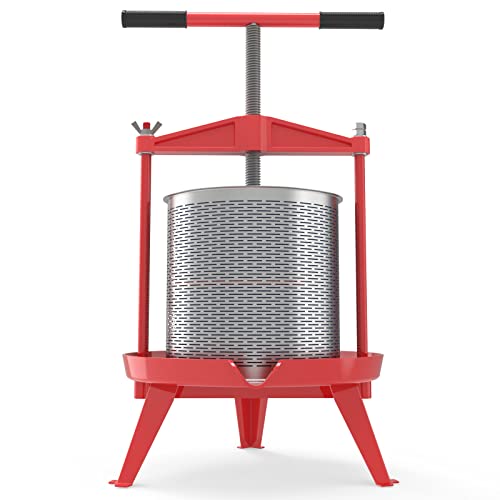
- 14-liter stainless steel pressing basket
- T-handle and Acme screw increase leverage
- Detachable basket supports easier cleanup
Best For: Home winemaking and harvest-season pressing
Harvest-Ready Crusher

- 7-liter hopper for larger fruit batches
- Uniform pulp for efficient pressing
- Stainless steel and reinforced iron construction
Best For: Home cider makers and larger seasonal harvests
Countertop Citrus Specialist
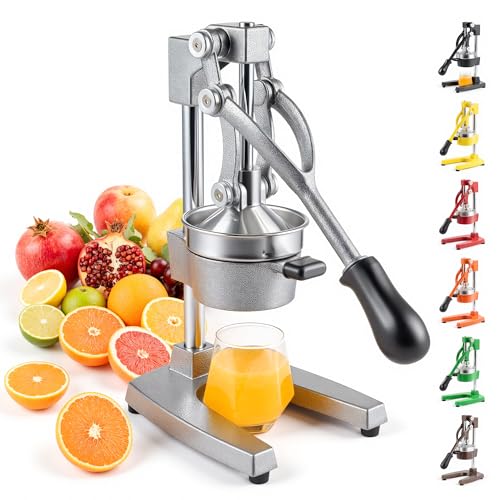
- Heavy-duty cast-iron manual press
- Removable stainless steel strainer
- Suitable for citrus and soft pulpy fruit
Best For: Frequent countertop citrus juicing
Traditional Batch Press

- 3.2-gallon beech wood pressing basket
- Designed for apples, grapes, and berries
- Built-in spout and optional foot mounting
Best For: Home juice and homemade wine batches
Best Citrus Lever Press
Easy-Squeeze Stainless Steel Juicer

- Extended handle helps reduce hand strain
- 4.3-inch bowl fits several citrus fruits
- Dishwasher-safe food-contact parts
Best For: Everyday citrus juice, cocktails, and portable use
Best Large-Capacity Press
3.69-Gallon Manual Fruit Wine Press

- 14-liter capacity for larger batches
- Stable cast-iron and triangular-base design
- Includes two food-grade filter bags
Best For: Family batches, cider, wine, farms, and juice operations
Best Compact Stainless Press
1.45-Gallon Manual Juice Maker

- Compact 5-liter capacity for home use
- Stainless-steel barrels and pressing plate
- Works with juice, wine, puree, honey, and oil
Best For: Small-batch home pressing and multipurpose kitchen projects
Best Wooden Press – 4.75-Gallon Beech Wood Fruit Press
If you want fruit presses for seasonal juice or small-batch wine, this manual model offers a generous 4.75-gallon capacity and a sturdy beech wood basket. Its hand-operated design is quiet and straightforward, making it practical for apples, grapes, and berries.
Best For: Home juice making, homemade wine, family gatherings, and small seasonal batches.
Pros:
- Beech wood basket is designed for high juice yield and drier pulp.
- Heavy-duty stand includes a pour spout for easier collection.
- Breakaway basket design helps simplify pulp removal between pressing sessions.
- Manual operation requires no motor or electricity.
Cons:
- Hand-wash-only care requires additional cleanup time.
- Its larger footprint may need dedicated storage space.
- Best suited to crushed fruit rather than whole fruit.
This is a strong choice when capacity and traditional pressing matter more than portability. The wood basket and stable stand suit repeated seasonal use, while the manual mechanism keeps operation simple.
Best Heavy-Duty Citrus Press – Cast Iron Manual Citrus Juicer
Among fruit presses for everyday citrus, this cast iron juicer emphasizes leverage and stability. Its 5-inch bowl accommodates citrus from limes through grapefruits, while the lever helps extract juice with less manual effort.
Best For: Home kitchens, cocktail bars, juice stands, and restaurant-style citrus pressing.
Pros:
- Heavy-duty cast iron construction is designed for frequent, high-pressure use.
- Lever action helps produce juice quickly with less effort.
- 5-inch bowl handles lemons, limes, oranges, and grapefruits.
- Rubberized feet help keep the press stable on the counter.
Cons:
- At 15.1 pounds, it is not especially portable.
- Hand-wash-only care may be less convenient for busy users.
- Its 0.6-liter capacity is intended for citrus servings rather than large fruit batches.
This press is built for users who prioritize durability, leverage, and reliable citrus extraction. It is better suited to citrus halves and repeated countertop use than to apples, grapes, or large harvests.
Best Stainless Steel Press – 3.69-Gallon Fruit Wine Press
For fruit presses aimed at home brewing and harvest-season batches, this stainless steel model combines a 3.69-gallon basket with a large Acme screw and T-handle. It is designed to press fruit, herbs, nut milks, and honey while keeping cleanup relatively straightforward.
Best For: Home winemaking, orchard harvests, fruit juice, and other small-batch pressing tasks.
Pros:
- 14-liter stainless steel basket provides useful batch capacity.
- Large Acme screw and T-handle generate high pressure with less effort.
- Food-grade stainless steel basket resists rust and corrosion.
- Detachable basket helps make cleanup easier.
Cons:
- Its size is less convenient for small, occasional servings.
- Manual pressing still requires physical effort and repeated turning.
- The supplied notes do not specify a pour spout for direct collection.
This model offers a practical middle ground between compact citrus squeezers and larger wooden presses. The stainless steel basket is particularly appealing for users who want a durable press for fruit wine and harvest processing.
Best Compact Citrus Press – Aluminum Hand Juicer for Citrus and Pomegranate
If you need fruit presses for countertop citrus service without the bulk of a harvest press, this aluminum hand juicer is a compact option. Its long lever and 20-ounce bowl are suited to lemons, limes, oranges, grapefruits, and pomegranates.
Best For: Cocktails, lemonade, fresh citrus juice, and occasional pomegranate pressing.
Pros:
- Long lever multiplies hand force for easier pressing.
- 20-ounce bowl includes a pour spout for serving or transferring juice.
- Handles common citrus fruits and pomegranate halves.
- At 1.1 pounds, it is considerably lighter than cast iron alternatives.
Cons:
- Hand-wash-only care is required, and dishwasher use can darken the aluminum.
- The 20-ounce bowl is not intended for large batches.
- It is designed for citrus and pomegranate, not garlic, ginger, or hard vegetables.
This is a convenient choice for drink preparation and everyday citrus use. Its lighter aluminum construction and compact dimensions make it easier to store, while the bowl remains large enough for standard fruit halves.
Harvest-Ready Crusher – 7L Manual Apple Crusher
For larger harvests, this 7-liter manual fruit crusher prepares apples, pears, grapes, oranges, and other fruit for pressing. Its uniform 1/4-inch pieces are designed to produce pulp that presses efficiently into juice or cider.
Best For: Home cider makers and gardeners processing substantial quantities of apples or pears.
Pros:
- Large 7-liter hopper can process approximately 35–45 kg of fruit per hour.
- Food-grade 304 stainless steel construction with a reinforced iron frame.
- Table-mount design and included instructions support straightforward setup.
- Uniform crushing helps minimize waste during pressing.
Cons:
- Manual operation requires physical effort.
- Hand-wash care may take more time after use.
- Its larger footprint may be less convenient for compact work areas.
This is a practical companion to fruit presses when you need to prepare a sizeable batch before extraction. Choose it for capacity and throughput rather than for small, occasional servings.
Countertop Citrus Specialist – CO-Z Manual Citrus Juicer
This commercial-grade manual fruit press is built for extracting juice from citrus and other soft or pulpy fruit. The cast-iron body, ergonomic handle, and removable stainless steel strainer make it a sturdy countertop option for fresh juice and cocktails.
Best For: Frequent home use with oranges, lemons, limes, grapefruit, pomegranates, and similar fruit.
Pros:
- Heavy-duty cast-iron construction provides substantial leverage and stability.
- Food-grade 304 stainless steel parts contact the juice.
- Removable strainer captures pulp and seeds for easier cleanup.
- Dishwasher-safe care is convenient after pressing.
Cons:
- Its 0.6-liter capacity is better suited to individual servings than large batches.
- Designed primarily for citrus and soft fruit rather than whole hard fruit.
- At 6 kg, it is sturdy but not especially lightweight.
For fresh citrus juice at the counter, this press emphasizes durability, leverage, and cleanup convenience. Its smaller capacity makes it less suitable for processing a full fruit harvest.
Traditional Batch Press – 3.2-Gallon Wooden Fruit Press
EJWOX 3.2 Gallon Fruit and Wine Press, Manual Cider Press with Solid Beech Wood Basket
Check Price On AmazonThis 3.2-gallon manual fruit press uses a solid red beech wood basket and a rotating metal handle to extract juice from crushed apples, grapes, and berries. Its sturdy stand and built-in pour spout make it suited to quiet, batch-style juice or homemade wine preparation.
Best For: Home fruit and wine making when a larger basket and traditional manual operation are preferred.
Pros:
- 3.2-gallon capacity supports larger batches than countertop citrus presses.
- Beech wood basket is designed to resist moisture and wear.
- Breakaway basket helps remove pulp between pressing cycles.
- Built-in pour spout and optional foot mounting support controlled collection and stability.
Cons:
- Fruit must be crushed before loading.
- Hand-wash-only care requires additional cleanup.
- The large 20.5-inch-wide frame needs dedicated storage space.
This press is a strong fit for seasonal batches, especially when reduced foaming and drier pulp are priorities. It is a traditional, motor-free choice rather than a compact option for occasional single servings.
Best Citrus Lever Press – Easy-Squeeze Stainless Steel Juicer
For shoppers comparing fruit presses for everyday citrus juice, this manual lever juicer emphasizes easy operation, broad fruit compatibility, and quick cleanup. Its extended handle is designed to reduce hand strain, while the built-in cone helps strain seeds and excess pulp.
Best For: Home kitchens, cocktails and mocktails, family drink preparation, and portable citrus juicing.
Pros:
- Extended ergonomic handle helps reduce hand strain.
- 4.3-inch bowl accommodates oranges, lemons, limes, grapefruits, and pomegranates.
- Food-contact parts are dishwasher-safe stainless steel, with a cleaning brush included.
- Sturdy, portable aluminum-alloy and stainless-steel construction.
Cons:
- Designed primarily for citrus and similar fruits rather than large-batch apple or grape pressing.
- Some non-food-contact body components require hand rinsing or wiping.
This is a practical choice when convenience and low-effort citrus extraction matter most. Its compact manual design suits regular home use and travel, but shoppers seeking a high-capacity fruit or wine press should consider a basket-style model instead.
Best Large-Capacity Press – 3.69-Gallon Manual Fruit Wine Press
Among fruit presses for family-scale juice, cider, and winemaking, this 14-liter VEVOR model stands out for its large basket and manual progressive pressing mechanism. The cast-iron crossbeam, triangular base, and included filter bags support stable, organized pressing.
Best For: Families, parties, wineries, farms, restaurants, and fresh-juice operations needing larger batches.
Pros:
- 3.69-gallon capacity supports substantial juice or fruit-wine batches.
- Removable 304 stainless-steel basket simplifies cleaning.
- T-shaped anti-slip handle and spiral mechanism provide controlled manual pressing.
- Includes two food-grade filter bags for hygienic use.
Cons:
- At 34 pounds and nearly 38 inches tall, it is less convenient to move and store.
- Best results require pre-cutting or pre-crushing fruit.
- Hand-wash care and lubrication of non-food-contact metal parts add maintenance.
This press makes sense for buyers prioritizing capacity over compactness. Its large basket is well suited to apples and grapes, while the removable stainless-steel components help with cleanup after bigger pressing sessions.
Best Compact Stainless Press – 1.45-Gallon Manual Juice Maker
This compact option is one of the more versatile fruit presses for home kitchens and smaller batches. Its 5-liter capacity, stainless-steel barrels, thickened pressing plate, and included filter bags support juice, cider, puree, honey, olive oil, and other pressing projects.
Best For: Home users and small gatherings who want a durable, multipurpose press with a smaller footprint.
Pros:
- 1.45-gallon capacity balances useful output with a more compact design.
- Stainless-steel pressing plate, barrels, base, and support frame resist wear and corrosion.
- Suitable for apples, grapes, wine, cheese, puree, honey, and olive oil.
- Disassemblable components and included food-grade filter bags simplify use and cleanup.
Cons:
- Smaller capacity is less suitable for commercial or very large harvest batches.
- Fruit should be pre-cut and placed in a filter bag for better results.
- Despite dishwasher-friendly cleaning information, the listed care instructions specify hand washing.
Choose this model when you want stainless-steel construction and broad versatility without stepping up to a full-size wine press. Its 5-liter basket is more manageable for home use, though larger harvests will require multiple pressing cycles.
How We Picked the Best Fruit Presses
We evaluated these Fruit Presses by looking at the features that matter most during real use: pressing capacity, frame stability, basket and barrel materials, handle leverage, cleanup, portability, and the types of fruit each design can handle. Large basket presses are generally better for apples, grapes, and repeated cider batches, while compact citrus and hand presses suit smaller quantities and quicker cleanup.
We also considered whether a press is designed to work with crushed or pulped fruit. A crusher or scratter may be necessary before pressing firm apples and similar produce, whereas citrus presses are built for halved oranges, lemons, limes, and other soft, juicy fruit.
Quick Comparison of the 10 Fruit Presses
- Best for larger home batches: 4.75-gallon and 3.69-gallon basket presses.
- Best for compact storage: 1.45-gallon, hand-held, and countertop citrus models.
- Best for citrus: Cast-iron lever presses with removable strainers.
- Best for cider preparation: A fruit crusher paired with a basket-style press.
- Best for portability: Smaller stainless-steel manual presses.
Key Buying Factors for Fruit Presses
Capacity and Batch Size
Choose capacity based on how much fruit you process at once. A press under two gallons is easier to store and suits occasional use, but larger models reduce the number of loading and unloading cycles for cider or wine making. Remember that listed capacity is not the same as finished juice yield; yield varies with fruit type, ripeness, and how finely it has been crushed.
Materials and Stability
Wooden baskets can provide traditional performance and are popular for cider and wine, while stainless steel is easy to sanitize and resistant to corrosion. Cast-iron citrus presses offer strong leverage but are heavy. A wide, sturdy base and a secure stand help prevent movement as pressure increases.
Pressing Mechanism and Cleanup
Threaded handles and cross-beams provide useful mechanical advantage for larger batches. Handheld squeezers are faster to rinse but require more direct effort. Look for removable strainers, accessible baskets, and parts that can be washed thoroughly. Dry wooden components promptly and follow the manufacturer’s care instructions.
Fruit Preparation
Basket presses typically work best with crushed apples, grapes, or berries placed in a pressing bag or liner. Whole firm fruit may not release much juice. If you plan to make cider regularly, budget for a crusher or grinder as well as the press.
Who Should Buy Which Fruit Presses?
Choose a large beech-wood or stainless-steel basket press if you make cider, fruit wine, or juice in substantial batches. Pick a 3.69-gallon model for a capable middle ground, or a 4.75-gallon press when fewer, larger pressing cycles matter most.
For oranges, lemons, limes, and pomegranates, a dedicated citrus or hand press is usually simpler and easier to clean than a wine press. A compact 1.45-gallon unit is a sensible option for occasional small-batch pressing, limited storage, or experimenting with homemade infusions and oils. If you process firm apples, pair your chosen press with a suitable crusher for better extraction.