The best camping cots for backpacking add airflow, insulation, and separation from uneven ground without overwhelming your pack. The right choice depends on a careful balance of weight, packed size, support, and setup time.
We’ve gathered 10 portable cots ranging from ultralight trail models to roomier, higher-capacity designs. Use the guide below to narrow the list by sleeping style, body weight, and trip priorities.
Best 10 Camping Cots for Backpacking Picks for 2026
Lightweight Trail Pick
MARCHWAY Ultralight Folding Cot

- 4.9-pound aluminum-and-nylon cot
- Packs to 15.7 x 6.9 inches
- Supports up to 275 pounds
Best For: Backpackers seeking compact, lightweight sleep gear
High-Capacity Wide Pick
ONETIGRIS SUPRAGRIS Camping Cot
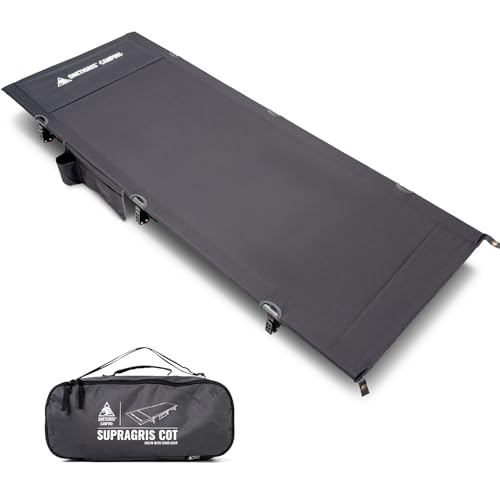
- 5.7-pound 7075 aluminum frame
- 27.5-inch-wide sleeping surface
- Supports up to 396 pounds
Best For: Larger campers wanting width and capacity
Versatile Comfort Pick
DUMOS 3-in-1 Folding Camping Cot

- Chair, lounger, and flat-bed modes
- Includes mattress and pillow
- Supports up to 450 pounds
Best For: Car camping and indoor guest use
Fast-Setup Travel Pick
EVER ADVANCED Ultralight Aluminum Cot

- Opens in under 20 seconds
- 75 x 26-inch sleeping surface
- Supports up to 225 pounds
Best For: Travelers wanting quick, simple camp setup
Sturdy Value Pick
Heavy-Duty Folding Camping Cot
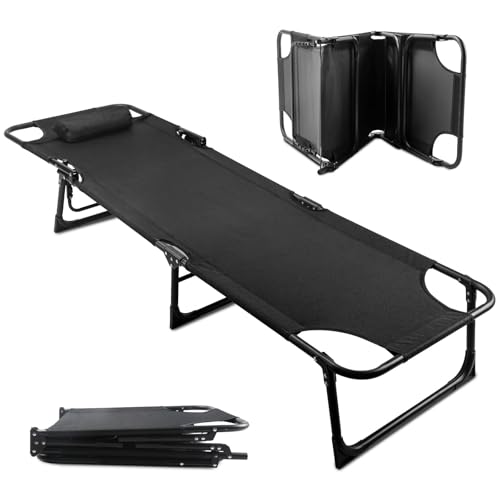
- Breathable, wear-resistant 600D Oxford fabric
- Three-leg frame supports up to 330 pounds
- Folds compactly and sets up in seconds
Best For: Campers wanting a stable cot for outdoor and indoor use
Feature-Rich Comfort Pick
MIKKUPPA Ultralight Camping Cot

- Full-size 77.2 x 26.8-inch sleeping surface
- Adjustable 7.09- to 15-inch dual-height design
- Includes pillow, pockets, and carry bag
Best For: Campers seeking adjustable height and organized storage
Lightest Carry Pick
Sutekus Ultralight Backpacking Cot

- Weighs just 4.7 pounds
- Packs down to 7 x 14 inches
- Supports up to 330 pounds with 10 ground contacts
Best For: Backpackers prioritizing low weight and compact packing
Best Overall
ONETIGRIS SUPRAGRIS Camping Cot

- Wide 27.5-inch sleeping surface
- Supports up to 396 pounds
- Includes pockets and a carry sack
Best For: Larger campers seeking extra width and capacity
Best Lightweight Pick

- Weighs just 4.7 pounds
- Folds to about 7 by 14 inches
- 10 ground contact points aid stability
Best For: Space-conscious backpackers and travelers
Best Quick Setup
Naturehike Ultralight Camping Cot

- Sets up in about one minute
- Weighs 4.8 pounds
- Five legs support up to 330 pounds
Best For: Campers prioritizing fast setup and compact packing
Lightweight Trail Pick – MARCHWAY Ultralight Folding Cot
For shoppers comparing camping cots for backpacking, the MARCHWAY stands out for its 4.9-pound weight, compact stuff sack, and supportive aluminum-and-nylon construction. Its shock-cord pole system is designed for tool-free setup in the field.
Best For: Backpackers, hikers, trekkers, and campers who prioritize low carry weight and compact storage.
Pros:
- Weighs about 4.9 pounds and packs to 15.7 by 6.9 inches.
- Aircraft-grade aluminum frame supports up to 275 pounds.
- Five cross rods, ten anti-skid feet, and ripstop nylon help improve stability and support.
- Includes a pillow case and stuff sack.
Cons:
- Its 275-pound capacity is lower than some heavier-duty alternatives.
- The minimalist design may provide fewer comfort features than lounge-style cots.
The MARCHWAY is a practical choice when packability matters most. It offers a useful balance of low weight, off-ground sleeping, and straightforward setup for overnight trips.
High-Capacity Wide Pick – ONETIGRIS SUPRAGRIS Camping Cot
The ONETIGRIS SUPRAGRIS is a strong contender among camping cots for backpacking when you want extra width without moving to a bulky cot. It combines a 5.7-pound 7075 aluminum frame with a 27.5-inch-wide sleeping surface and a 396-pound capacity.
Best For: Larger campers and outdoor sleepers who want a wide, high-capacity cot for tents, vans, or base camps.
Pros:
- Supports up to 396 pounds while weighing 5.7 pounds.
- Extra-wide 27.5-inch sleeping surface measures 74.8 inches long.
- 300D Oxford fabric resists dirt, water, and scratches.
- Side pockets and a pillow pocket keep small essentials and bedding in place.
Cons:
- At 5.7 pounds, it is heavier than the lightest backpacking cot in this roundup.
- The listing requires assembly, so setup may take more effort than a preassembled folding cot.
Choose the SUPRAGRIS if sleeping width and weight capacity are higher priorities than carrying the absolute lightest load. Its storage pockets add useful organization for camp routines.
Versatile Comfort Pick – DUMOS 3-in-1 Folding Camping Cot
Unlike minimalist camping cots for backpacking, the DUMOS is built for comfort and multiple uses rather than a low trail weight. Its six-position backrest converts it from a chair to a recliner or flat bed, while the included mattress and pillow provide a ready-to-use surface.
Best For: Car campers, road trippers, indoor guests, and anyone who wants an adjustable cot with built-in cushioning.
Pros:
- Works as an upright chair, reclined lounger, or flat sleeping bed.
- Includes a sponge-bonded cotton mattress and pillow with no assembly required.
- Carbon steel frame supports a 450-pound static load.
- Folds to about 26.4 by 22 inches for car or closet storage.
Cons:
- At 10.1 pounds, it is substantially heavier than dedicated backpacking cots.
- Its larger, steel-framed design is less suitable for carrying long distances.
The DUMOS makes the most sense when your trip includes vehicle access or indoor use. It trades backpacking portability for cushioning, adjustability, and a high stated weight capacity.
Fast-Setup Travel Pick – EVER ADVANCED Ultralight Aluminum Cot
For camping cots for backpacking that emphasize convenience, the EVER ADVANCED offers a preassembled aluminum frame that unfolds in under 20 seconds. It weighs 6.6 pounds, supports up to 225 pounds, and folds into a 19-by-9-by-6-inch carry case.
Best For: Campers, travelers, and occasional outdoor sleepers who want fast setup and a compact packed shape.
Pros:
- Preassembled frame opens in under 20 seconds with no tools.
- 75-by-26-inch sleeping surface fits most adults.
- Aluminum frame and U-shaped design support up to 225 pounds.
- Six-inch height works well inside tents and is easy to get on and off.
Cons:
- Its 225-pound capacity is the lowest among several options in this roundup.
- At 6.6 pounds, it is not the lightest choice for long-distance backpacking.
The EVER ADVANCED is a convenient middle ground for short trips and vehicle-supported camping. Its quick-fold design is especially useful when setup speed matters more than minimizing every ounce.
Sturdy Value Pick – Heavy-Duty Folding Camping Cot
For campers who want straightforward comfort and quick setup, this folding model is a practical choice among camping cots for backpacking. Its 600D Oxford fabric, steel frame, and compact folded dimensions make it suitable for occasional outdoor trips as well as indoor backup use.
Best For: Campers prioritizing sturdy support, breathable fabric, and simple fold-and-go storage.
Pros:
- 600D Oxford fabric is breathable and designed to resist wear.
- Three U-shaped metal legs and non-slip feet support up to 330 pounds.
- Unfolds quickly and folds to a compact 25.5 x 22 x 5.5-inch size.
- Works for camping, hiking, beach days, poolside lounging, or indoor use.
Cons:
- At 11 pounds, it is heavier than the most backpack-focused options.
- The supplied notes do not indicate a carry bag.
This cot emphasizes stability and versatility over minimum trail weight. It is a sensible fit for car camping or shorter backpacking outings where a durable, ready-to-use bed matters more than shaving every ounce.
Feature-Rich Comfort Pick – MIKKUPPA Ultralight Camping Cot
The MIKKUPPA combines a full-size sleeping surface with adjustable height, making it one of the more adaptable camping cots for backpacking. Its aluminum frame, 800D fabric, included pillow, and storage pockets add comfort and organization, though its 10-pound weight is better suited to gear-conscious car campers or shorter carries.
Best For: Adults who want extra sleeping space, adjustable height, and built-in storage.
Pros:
- 77.2 x 26.8-inch sleeping area gives adults room to stretch out.
- Dual-height design adjusts between 7.09 and 15 inches for different terrain and preferences.
- 7075 aluminum frame and 800D Oxford fabric support up to 350 pounds.
- Includes an inflatable pillow, pillow pocket, side pocket, and carry bag.
Cons:
- Assembly requires installing support bars, legs, and brackets.
- At 10 pounds, it is not the lightest choice for long backpacking carries.
- The supplied notes list both 350- and 360-pound support claims; verify the current specification.
With its larger platform and two height settings, this cot offers more campsite flexibility than a minimalist design. The included storage features are useful, but the setup process and weight should be considered before taking it on extended treks.
Lightest Carry Pick – Sutekus Ultralight Backpacking Cot
At 4.7 pounds and folding to 7 x 14 inches, the Sutekus is especially appealing when pack space and carry weight are key concerns. It is a strong contender among camping cots for backpacking, with a 330-pound capacity, 10 ground contact points, and a compact storage bag.
Best For: Backpackers and travelers who need a lightweight cot that fits easily in a pack.
Pros:
- Weighs 4.7 pounds and folds to a compact 7 x 14 inches.
- Supports up to 330 pounds with 10 ground contact points for stability.
- Keeps sleepers elevated from hard or wet ground.
- Includes a side pocket, storage bag, and tool-free assembly.
Cons:
- Inserting the brackets into the slots requires extra effort.
- Its 6.6-inch height provides less clearance than taller cot designs.
- The sleeping surface is narrower than some full-size alternatives.
This model is the most backpack-friendly option in the group because its low weight and compact packed size reduce the burden on the trail. Expect a more hands-on setup, but the elevated sleeping position and stable multi-point base add practical campsite comfort.
Best Overall – ONETIGRIS SUPRAGRIS Camping Cot
For backpackers who want extra sleeping width without giving up portability, the ONETIGRIS SUPRAGRIS is a strong option among camping cots for backpacking. Its 27.5-inch width, 5.7-pound weight, and 396-pound capacity make it suitable for larger campers, while the folding frame and included stuff sack simplify transport.
Best For: Larger campers who want a wide, durable cot for backpacking, tent camping, or van trips.
Pros:
- Wide 74.8-by-27.5-inch sleeping surface
- Supports up to 396 pounds while weighing 5.7 pounds
- Durable, water- and scratch-resistant 300D Oxford fabric
- Integrated side pockets and pillow pocket add useful storage
Cons:
- Heavier than the lightest cot in this roundup
- Assembly is required
The SUPRAGRIS emphasizes capacity and comfort while remaining reasonably packable. Choose it when sleeping space and a higher weight rating matter more than minimizing every ounce.
Best Lightweight Pick – Sutekus Portable Camping Cot
The Sutekus Portable Camping Cot is a practical choice for camping cots for backpacking when pack size and weight are priorities. It weighs 4.7 pounds, folds to approximately 7 by 14 inches, and uses 10 ground contact points to help distribute weight and improve stability.
Best For: Backpackers and travelers who want a compact cot with a 330-pound capacity and quick breakdown.
Pros:
- Lightest option here at 4.7 pounds
- Folds into a compact 7-by-14-inch package
- Supports up to 330 pounds
- Side pocket keeps small essentials close
Cons:
- Bracket insertion requires extra effort during setup
- Its listed dimensions are slightly narrower than the widest model
With a small folded size, stable 10-point base, and no-tool assembly, the Sutekus is well suited to trips where backpack space is limited. Its lower weight rating is still substantial for many users.
Best Quick Setup – Naturehike Ultralight Camping Cot
The Naturehike Ultralight Camping Cot stands out among camping cots for backpacking with a one-minute setup and a compact 18-by-6.3-inch packed size. Its five support legs, aircraft-grade 7075 aluminum frame, and 330-pound capacity provide a useful balance of portability and support.
Best For: Hikers and campers who value fast setup, compact storage, and stable support.
Pros:
- Sets up in about one minute
- Weighs 4.8 pounds and packs to 18 by 6.3 inches
- Five support legs help keep the bed flat
- Non-slip legs and quiet movement suit uneven campsites
Cons:
- Its 5.9-inch height provides less clearance from the ground
- Assembly still requires inserting poles and locking the support legs
Naturehike’s combination of quick assembly, 7075 aluminum, and a compact carry bag makes it a balanced choice for mobile trips. It is especially appealing when reducing setup time is a priority.
How We Picked the Best Camping Cots for Backpacking
We evaluated these cots around the factors that matter most outdoors: listed weight capacity, portability, packed dimensions, frame construction, setup design, sleeping-surface dimensions, and intended use. We also considered whether each model appears better suited to minimalist backpacking, car camping, beach trips, or general travel.
Because product specifications can vary by seller and production run, confirm the current dimensions, weight, and capacity before purchasing. A cot’s stated maximum load should include the sleeper and any gear placed on it.
Quick Comparison
| Best for | Look for | Trade-off |
|---|---|---|
| Ultralight backpacking | Low packed weight and compact carry case | Usually a narrower sleeping surface |
| Heavier sleepers | Higher tested weight capacity and reinforced joints | More frame material and bulk |
| Fast setup | Folding or hub-style frame | May sacrifice some adjustability |
| Extra comfort | Double-height or longer, wider platform | Less attractive for long carries |
Key Buying Factors for Camping Cots for Backpacking
Weight and Packed Size
Every ounce matters when you carry a shelter, sleeping bag, pad, and food. Compare the cot’s complete packed weight—not just the fabric or frame—and check whether the carry case fits conveniently inside or outside your pack.
Capacity and Stability
Choose a model with a comfortable margin above your body weight. A higher capacity can improve durability, but it does not automatically mean better stability. Inspect the leg layout, frame connections, and how firmly the feet sit on uneven ground.
Dimensions and Sleeping Comfort
Measure the usable sleeping area rather than relying only on “adult” labeling. Taller sleepers may need extra length, while side sleepers often prefer more width. A low cot is typically lighter; a taller design may be easier to enter and exit and can provide storage space underneath.
Setup, Noise, and Weather Protection
Practice assembly at home, especially with tensioned fabrics or multiple support bars. Aluminum frames generally offer a useful strength-to-weight ratio. Consider whether the cot’s fabric is easy to clean and whether its height and open underside suit your tent, hammock shelter, or groundsheet.
Who Should Buy Which Camping Cots for Backpacking?
Choose an ultralight, compact cot if you hike several miles to camp and already use a lightweight sleeping pad. These models prioritize portability and are best for buyers willing to accept less room.
Choose a higher-capacity or double-height cot if support, easier access, or a larger sleeping platform matters more than minimum pack weight. Verify that your shelter has enough interior length and height.
Choose a fast-folding cot for frequent setup and breakdown, travel, or mixed indoor-outdoor use. It can be especially convenient when you want a simple camp-bed routine.
Choose a heavier-duty folding model for car camping or base camps rather than extended backpacking. It may provide a sturdier, roomier bed, but its packed weight can quickly become impractical on foot.