Freshly pressed oil gives you more control over ingredients, temperature, and processing than many store-bought alternatives. The right electric oil press can turn seeds and nuts into usable oil with less manual effort.
We compared 10 models across capacity, heating range, controls, construction, and intended use to help you choose a machine that fits your kitchen, workshop, or small commercial operation.
Best 10 Electric Oil Presses Picks for 2026
Manual Simplicity
Compact Nut and Seed Oil Expeller
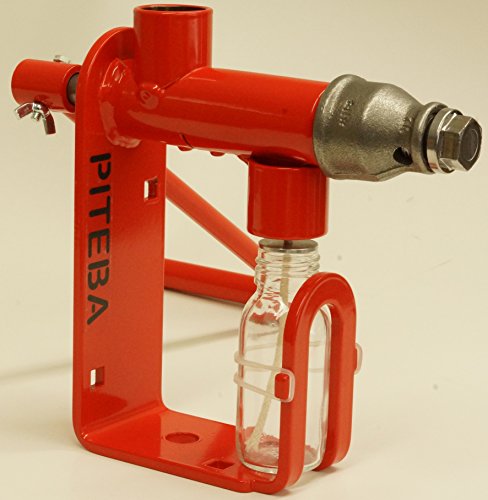
- Manual operation needs no external power
- Continuous expelling with low maintenance
- Lightweight 4.14-pound compact design
Best For: Small farms and off-grid, small-batch pressing
Temperature Control
VEVOR Automatic Oil Press Machine

- Processes up to 11 pounds per hour
- Supports 122°F–572°F hot and cold pressing
- Works with more than 30 ingredient types
Best For: Versatile home, restaurant, and market use
High-Output Home Pressing

- Hot and cold pressing modes
- Real-time temperature display and controls
- Rated for up to 9–13.5 pounds per hour
Best For: Regular home or commercial nut-and-seed batches
Dual-Outlet Capacity

- Two independent motors and oil outlets
- Four-stage gears support extended operation
- Below-70 dB noise rating and power-saving design
Best For: High-volume commercial or domestic pressing
Best Overall

- Hot and cold pressing for 30+ seeds and nuts
- Continuous-feed hopper with 40–300°C control
- 304 stainless steel chamber and reverse function
Best For: Home kitchens and light commercial use
Best High-Capacity Option

- 5 kg-per-hour peanut pressing specification
- Hot, cold, and frying pressing methods
- Digital temperature control and stainless steel build
Best For: Frequent, extended seed and nut processing
Best Safety Features

- Digital set and real-time temperature display
- Eight-minute preheat countdown timer
- Overheating protection and automatic power-off
Best For: Users prioritizing guided operation and heat management
Balanced Home Press
Adjustable Cold & Hot Oil Extractor

- Processes 6.61–13.22 lb of material per hour
- Cold and hot pressing with digital temperature control
- 304 stainless-steel build with detachable parts
Best For: Home users who want moderate-batch pressing flexibility
High-Output Pick
1800W Continuous-Use Oil Press

- Rated for 5–9 kg per hour
- Designed for 24-hour continuous operation
- Includes filter, brush, glove, tube, and manual
Best For: High-volume household or light commercial pressing
Compact Commercial Choice
Automatic Stainless-Steel Oil Maker

- Processes about 3–6 kg per hour
- Automatic heating with 50–250°C adjustment
- Includes oil cup, filter, gloves, and manual
Best For: Moderate-batch pressing with easy-clean stainless steel
Manual Simplicity – Compact Nut and Seed Oil Expeller
This compact manual expeller is a straightforward alternative to electric oil presses for shoppers who want to process nuts and seeds without relying on an external power source. Its continuous operation, simple design, and low-maintenance construction suit small-scale oil pressing.
Best For: Small farms, health-focused households, and buyers who prefer a manually operated oil press.
Pros:
- Requires no external power source.
- Designed for continuous expelling with high extraction efficiency.
- Compact and lightweight at about 4.14 pounds.
- Requires almost no maintenance and is simple to operate.
Cons:
- Manual operation requires more hands-on effort than electric oil presses.
- Its compact design is better suited to small-scale use than high-volume production.
If you value portability and simple operation over automated processing, this expeller is a practical choice. It is especially appealing when access to electricity is limited or when you want a low-maintenance tool.
Temperature Control – VEVOR Automatic Oil Press Machine
This VEVOR electric oil press is built for shoppers who want automated hot- or cold-pressing with adjustable temperature control. Its 11-pound-per-hour flaxseed capacity, broad ingredient compatibility, and included accessories make it a flexible option for home, restaurant, or market use.
Best For: Home and small commercial users who want versatile, temperature-controlled oil extraction.
Pros:
- Hot-press capacity reaches up to 11 pounds of flaxseed per hour.
- Adjustable temperature range from 122°F to 572°F supports hot and cold pressing.
- Designed for more than 30 types of nuts, seeds, and oil-rich ingredients.
- Includes a filter screen, oil cup, heat-insulating gloves, and cleaning brush.
Cons:
- At 28.7 pounds, it is less portable than compact manual models.
- Requires hand washing and a 220-volt electrical connection.
The VEVOR stands out among electric oil presses for its wide temperature range and ingredient versatility. Its stainless steel core components and included cleanup accessories add practicality, though buyers should confirm their electrical setup before purchasing.
High-Output Home Pressing – 820W Automatic Oil Extractor
This 820W automatic oil press is aimed at home and commercial users who want programmable hot and cold pressing. Its intelligent control panel, real-time temperature display, and stated output of up to 9–13.5 pounds per hour make it a capable choice for regular batch processing.
Best For: Users who want automatic temperature monitoring and higher-volume pressing for common nuts and seeds.
Pros:
- Offers both hot-press and cold-press modes.
- Intelligent panel displays oil temperature in real time.
- Designed for continuous operation for up to 24 hours.
- Handles ingredients such as peanuts, walnuts, sunflower seeds, sesame, soybeans, and flaxseed.
Cons:
- Not suitable for olives, cocoa beans, spices, flowers, herbs, or coffee beans.
- Requires hand washing after use.
- The 9–13.5-pound-per-hour capacity may be more than needed for occasional small batches.
For shoppers comparing electric oil presses, this model offers a useful combination of automation, temperature visibility, and sustained operation. Its ingredient restrictions are important, so confirm that your preferred raw materials are supported before buying.
Dual-Outlet Capacity – 1500W Commercial Oil Press
This 1500W stainless steel oil press is designed for demanding users who want two independent pressing systems. Double motors and outlets can process different materials independently, while multi-stage gears and automatic controls support extended commercial or domestic use.
Best For: Commercial users and high-volume households that can benefit from dual independent oil outlets.
Pros:
- Two independent 1500W motors and oil outlets can operate separately.
- Double four-stage gears are designed for continuous operation for up to 24 hours.
- Intelligent power-saving technology uses about 0.5–0.6 kWh per hour according to the supplied specifications.
- Working noise is stated to be below 70 dB.
Cons:
- Its 1500W power rating may be excessive for occasional, small-batch pressing.
- The larger 18.5-by-13.5-by-10-inch footprint needs dedicated counter or workspace.
- Preheating takes about eight minutes before pressing.
Among these electric oil presses, this model is the most specialized for throughput and parallel processing. The dual-motor layout is valuable for demanding workflows, but its size and power make it less appropriate for buyers seeking a compact countertop appliance.
Best Overall – 820W Hot & Cold Oil Press
For shoppers comparing electric oil presses, this 820W model offers a versatile balance of pressing control, ingredient compatibility, and practical cleanup features. It supports hot or cold pressing, continuous feeding, and adjustable temperatures from 40–300°C (104–572°F), making it suitable for a wide range of seeds and nuts.
Best For: Home cooks and light commercial users who want flexible hot-and-cold pressing with detailed temperature control.
Pros:
- Supports more than 30 types of oil-bearing seeds and nuts.
- Open hopper enables continuous feeding during operation.
- 304 stainless steel pressing chamber and wear-resistant pressing rod.
- Reverse function, filter, brush, glove, and other useful accessories are included.
Cons:
- At 17 pounds, it is less convenient to move than a compact countertop appliance.
- Its 110V design may not suit users with incompatible power systems.
This is a strong all-around choice when you want one machine for varied ingredients and both pressing styles. The continuous-feed design and reverse function add everyday convenience, while the broad temperature range gives you more control over each batch.
Best High-Capacity Option – 1500W Automatic Oil Press
If output capacity is a priority when comparing electric oil presses, this 1500W stainless steel machine is designed for extended operation. Its specifications list pressing speeds of up to 5 kg per hour for peanuts, oil output of up to 2 kg per hour for peanuts, and support for up to 24 hours of continuous work.
Best For: Users who need a higher-powered electric press for frequent or extended nut and seed processing.
Pros:
- 1500W motor with a stated peanut pressing speed of 5 kg per hour.
- Supports cold pressing, hot pressing, and frying modes.
- Intelligent digital temperature control with real-time display.
- Stainless steel construction, low-noise operation, and easy maintenance.
Cons:
- The larger power rating may be more than occasional home users need.
- The listed capacity and output figures are specified for peanuts and may vary by ingredient.
This model stands out for users focused on throughput and long operating sessions. Its touchscreen-style digital controls and multiple pressing methods add flexibility, while the stainless steel build is intended for durability and straightforward upkeep.
Best Safety Features – 610W Hot & Cold Press
This 610W machine is a practical option among electric oil presses for shoppers who value guided operation and built-in protection. It combines hot and cold pressing with a digital temperature panel, an eight-minute preheat countdown, overheating protection, and automatic power-off.
Best For: Users seeking a 110V oil press with simple temperature monitoring and added heat-management features.
Pros:
- Hot-and-cold pressing supports peanuts, sesame, coconut, soybean, sunflower seeds, and walnuts.
- Digital panel displays both set and real-time temperature.
- Eight-minute preheat countdown reduces manual timing.
- Overheating protection, auto power-off, built-in fan, and cooling holes improve usability.
Cons:
- Its 610W rating is lower than the 820W and 1500W models in this roundup.
- The notes specify a maximum oil extraction rate of up to 45%, with peanut yield listed at 40–46%; actual results depend on the ingredient.
This press is a sensible fit for buyers who want straightforward controls rather than the highest stated wattage. The countdown timer and thermal safeguards make the workflow easier to manage, while the included filter, funnel, glove, and oil cup help you get started.
Balanced Home Press – Adjustable Cold & Hot Oil Extractor
This electric oil press is a practical choice for home users who want control over both pressing temperature and batch size. Its 150W copper motor is rated to process 6.61–13.22 pounds of nuts or seeds per hour, while the digital controls support cold or hot pressing for different ingredients and preferences.
Best For: Home cooks pressing peanuts, sesame, sunflower seeds, walnuts, and other oil-rich ingredients in moderate batches.
Pros:
- 304 stainless-steel construction with polished, durable surfaces.
- Cold- and hot-press modes with thermostatic temperature management.
- Digital temperature display and an 8-minute preheat timer.
- Detachable components and smooth surfaces help simplify cleaning.
Cons:
- Its stated throughput is lower than the 1800W model in this roundup.
- Hand-wash care is required.
Choose this model when versatility, stainless-steel construction, and straightforward temperature control matter more than maximum production speed. The reusable pressed pulp is also useful for baking or other applications.
High-Output Pick – 1800W Continuous-Use Oil Press
For shoppers comparing electric oil presses by speed and operating capacity, this 1800W machine is the production-focused option. It is rated for 5–9 kg per hour and 24-hour continuous operation, with adjustable 40–300°C temperature control for hot or cold pressing.
Best For: High-volume home use, farms, workshops, and small businesses processing a broad range of seeds and nuts.
Pros:
- High stated throughput of 5–9 kg, or about 11–20 pounds, per hour.
- Designed for 24-hour continuous operation.
- Supports more than 30 types of oil-bearing seeds and nuts.
- Includes a filter, cleaning brush, heat-resistant glove, outlet tube, and other accessories.
Cons:
- At 26 pounds, it is less convenient to move than a lighter countertop unit.
- The high-output design may be more machine than occasional users need.
This is the strongest fit when throughput and extended operation are priorities. Its reverse function can help release the pressing rod and reduce cleanup-related clogging between batches.
Compact Commercial Choice – Automatic Stainless-Steel Oil Maker
This automatic electric oil press offers a useful middle ground for buyers seeking commercial-style features without the highest stated output in the group. Its 610W design can process approximately 3–6 kg per hour, with adjustable 50–250°C pressing temperatures and automatic heating.
Best For: Users who want a stainless-steel oil maker for peanuts, sesame, canola, soybeans, sunflower seeds, and other listed materials.
Pros:
- Non-fingerprint stainless-steel shell is designed to resist rust and corrosion.
- Automatic heating with a displayed, adjustable temperature range.
- All-steel gear structure and a pure-copper motor core support extended operation.
- Includes an oil cup, filter, insulation gloves, and instruction manual.
Cons:
- Its 3–6 kg-per-hour capacity is below the 1800W model’s stated output.
- Hand-wash care is specified.
Consider this model if easy-to-clean exterior material, automatic heating, and broad ingredient compatibility are more important than maximum capacity. The simple installation and disassembly may also appeal to first-time oil press users.
How We Picked the Best Electric Oil Presses
We focused on practical differences that affect everyday pressing: motor power, stated throughput, hot- and cold-press capability, temperature control, feeding design, materials, controls, and suitability for home or commercial use. We also considered features such as reverse operation, continuous feeding, filtration-related accessories, stainless-steel construction, and the ability to handle common seeds and nuts.
Capacity claims vary by ingredient, moisture level, preparation, and operating temperature, so treat published output as a comparison point rather than a guarantee. A machine rated for commercial use may also require more counter space, ventilation, cleaning, and electrical capacity.
Quick Comparison of These Electric Oil Presses
- Best for compact home use: Lower-wattage 610W and 820W machines are generally easier to place and operate in a kitchen or small workspace.
- Best for heavier workloads: 1,500W and 1,800W models are better suited to frequent batches and higher stated throughput.
- Best for temperature flexibility: Choose a hot-and-cold model with an adjustable range and clear controls.
- Best for easier operation: Automatic feeding, digital panels, and reverse controls can reduce hands-on work and help address jams.
- Best for durability: Stainless-steel housings and food-contact components are useful when the machine will be used regularly.
Key Buying Factors for Electric Oil Presses
Capacity and Motor Power
Match the press to your batch size. For occasional household use, maximum commercial output may add cost and bulk without much benefit. Frequent pressing or larger seed quantities justify a stronger motor and higher rated throughput.
Hot Versus Cold Pressing
Cold pressing can prioritize lower processing temperatures, while hot pressing may improve flow and extraction for some ingredients. Select a model with adjustable temperature if you want to experiment with different seeds, nuts, and recipes.
Controls and Jam Handling
Look for simple temperature controls, clear status information, and a reverse function. Reverse operation can help clear compacted material, but it does not replace correct ingredient preparation or routine cleaning.
Cleaning and Food-Contact Materials
Oil residue can harden quickly. Removable pressing components, accessible surfaces, and included cleaning tools make a noticeable difference. Confirm which parts are food-grade and whether they can be removed safely before purchase.
Electrical and Workspace Requirements
Check voltage, wattage, dimensions, ventilation needs, and operating time. High-output machines may need a sturdy work surface and more room around the motor and heating area.
Who Should Buy Which Electric Oil Presses?
Choose a compact 610W or 820W press if you are making small batches at home and value manageable size, moderate energy use, and straightforward operation.
Choose a 1,500W model if you press regularly, want faster processing, or need a sturdier machine for a household business or small workshop.
Choose the 1,800W continuous-operation option if throughput is the priority and you can provide the necessary space, cleaning routine, and electrical support.
Choose a stainless-steel commercial-style press when durability and frequent use matter more than compactness. Before buying, verify the seller’s exact included accessories, temperature range, warranty, and replacement-part availability.